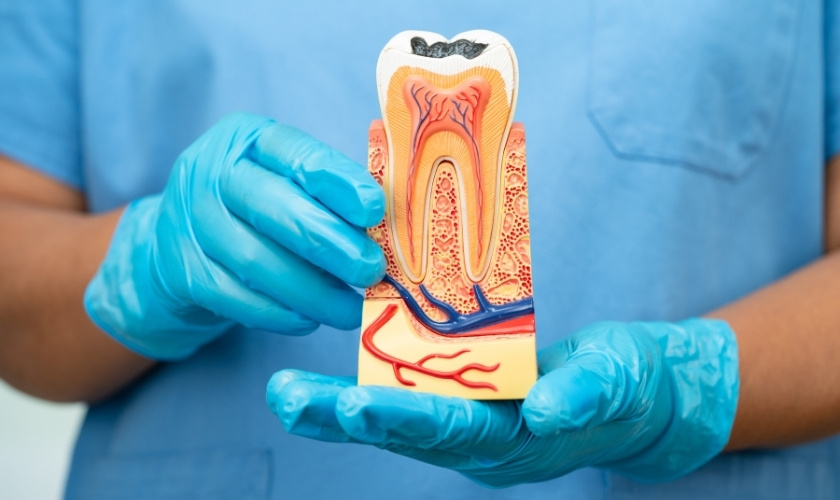


Undergoing a root canal might sound daunting, but modern dentistry has made the procedure relatively comfortable and highly effective in saving damaged teeth. However, your recovery and how quickly you heal afterward can depend greatly on the care you take post-treatment. If you’ve recently had a root canal or are preparing for one, this guide will help you understand how to heal faster and more comfortably.
What Happens During a Root Canal?
A root canal is a dental procedure to treat an infected or damaged tooth pulp. The dentist removes the infected tissue, cleans and disinfects the inside of the tooth, and then fills and seals it. While this procedure relieves pain and saves the tooth, some tenderness and discomfort afterward are normal. The recovery period varies, but most people feel better in just a few days with the right care.
Tips for Healing Faster After a Root Canal
1. Follow Your Dentist’s Instructions Carefully
Your dentist will provide specific aftercare instructions tailored to your situation. These may include taking prescribed antibiotics, pain relievers, or using special mouth rinses. Adhering strictly to these instructions is the first step toward faster healing.
2. Manage Pain and Swelling
It’s common to experience discomfort for a few days after the procedure. Over-the-counter pain medications like ibuprofen or acetaminophen can help reduce both pain and inflammation. If your dentist prescribes stronger pain relief, take it as directed. Applying a cold compress to the outside of your cheek in 15-minute intervals during the first 24 hours can also help minimize swelling.
3. Avoid Eating Until Numbness Wears Off
After a root canal, your mouth may remain numb for a few hours. Avoid eating during this time to prevent accidentally biting your cheek, tongue, or lip. Once the numbness subsides, start with soft foods that don’t require much chewing, like mashed potatoes, yogurt, or soup.
4. Eat Soft, Nutritious Foods
Stick to a soft food diet for at least 24–48 hours. Avoid crunchy, hard, or sticky foods that could irritate the treated area or cause the temporary filling to dislodge. Nutrient-rich foods like smoothies, scrambled eggs, and steamed vegetables support your body’s healing process.
5. Maintain Good Oral Hygiene
Keeping your mouth clean is essential to prevent infection and speed up healing. Brush gently around the treated tooth and floss carefully to avoid dislodging the temporary crown or filling. Use an antimicrobial mouthwash if recommended by your dentist. Avoid aggressive rinsing, especially during the first day or two.
6. Avoid Smoking and Alcohol
Smoking can delay the healing process and increase the risk of infection. It reduces blood flow to the gums and surrounding tissue, impairing recovery. Alcohol can interfere with prescribed medications and may irritate the treatment site. It’s best to avoid both for at least 72 hours after the procedure—or ideally, longer.
7. Rest and Avoid Strenuous Activity
Your body heals best when it’s well-rested. Avoid intense physical activity for at least a day or two post-treatment to allow your body to focus on healing. Get plenty of sleep, stay hydrated, and take it easy.
8. Monitor for Unusual Symptoms
While mild pain, swelling, and sensitivity are normal, certain symptoms could indicate a problem. Contact your dentist if you experience:
- Severe or worsening pain
- Swelling that persists or increases after a few days
- A visible lump or pimple on your gums
- Fever or chills
- Allergic reactions to medication
Early detection of complications ensures timely treatment and a smoother recovery.
9. Get the Final Restoration Promptly
A temporary filling is usually placed after a root canal, but it’s not meant to last. Your tooth still needs a permanent crown or restoration to fully protect it from reinfection or fracture. Schedule the follow-up appointment with your dentist to complete the process as soon as possible.
10. Stay Hydrated
Drinking plenty of water supports the body’s natural healing mechanisms. It also helps keep your mouth clean and reduces the risk of bacterial buildup. Aim for at least 8 glasses of water a day unless your dentist advises otherwise.
Long-Term Care Tips
Even after the initial healing period, continue taking good care of your teeth to prevent future dental problems:
- Brush twice a day and floss daily.
- Visit your dentist regularly for check-ups and cleanings.
- Avoid using the treated tooth to bite hard objects like ice or pens.
- Wear a mouthguard if you grind your teeth at night.
A root canal doesn’t have to be a painful or drawn-out recovery experience. By following your dentist’s advice, maintaining good oral hygiene, choosing the right foods, and giving your body time to rest, you can speed up healing and return to your normal routine quickly.
If you’re ever unsure about your symptoms or recovery progress, don’t hesitate to reach out to your dentist.