

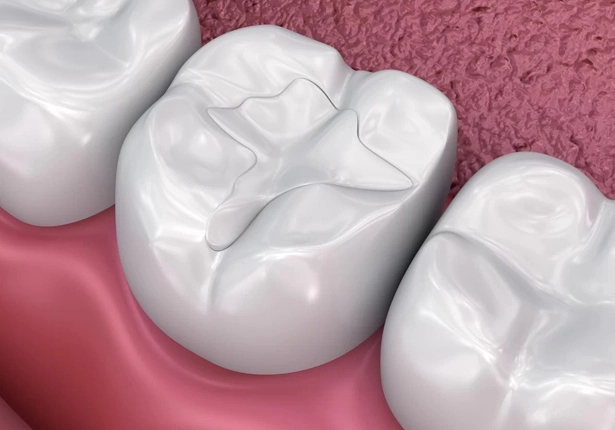
Composite fillings are a popular choice for dental restorations, offering an effective, natural-looking solution to treat cavities. Unlike traditional amalgam fillings, composite materials are tooth-colored, providing a more aesthetically pleasing result.
These fillings are durable and designed to bond directly to your tooth, enhancing both strength and appearance. However, as with any dental restoration, proper care is essential to ensure longevity and functionality.
Caring for your new composite fillings is crucial to prevent issues like staining, cracking, or even decay. With proper care, composite fillings can last for many years, ensuring your smile stays healthy and beautiful.
In this blog, we’ll share essential tips for keeping your composite fillings in great shape, protecting both your dental work and your natural teeth.
What Are Composite Fillings?
Composite fillings are commonly used to repair cavities and restore damaged teeth. They are made from a blend of resin and fine glass particles.
Unlike traditional amalgam fillings, which are silver in color, composite fillings are designed to match the natural shade of the teeth. As a result, a more natural and aesthetically pleasing appearance is achieved.
This makes composite fillings in Waco an excellent choice for areas of the mouth that are visible, such as the front teeth, allowing patients to maintain a more natural appearance.
The primary advantage of composite fillings lies in their ability to bond directly to the tooth structure. This bond creates a stronger connection between the filling and the tooth, reducing the likelihood of future decay at the filling site.
Composite fillings are also highly durable, offering a reliable solution for cavities, cracks, and chips. Unlike amalgam, which requires a larger space in the tooth, composite fillings require minimal preparation, meaning less removal of healthy tooth material. This is especially important when you’re looking to preserve as much of your natural tooth as possible.
Composite fillings are also versatile in their use. They can be shaped and molded to fit the natural contours of the tooth, offering a custom fit that is both functional and aesthetically pleasing.
Furthermore, the material used in composite fillings can be color-matched to the surrounding teeth, ensuring a seamless appearance. It is appreciated by many patients that composite fillings can be repaired easily, making them a long-lasting choice for maintaining a healthy, beautiful smile.
Why Proper Care Is Crucial for Composite Fillings
Although composite fillings are durable and long-lasting, proper care is essential to prevent issues such as staining, chipping, or decay. When treated with care, composite fillings can last for many years, but neglecting your oral hygiene or engaging in harmful habits can reduce their effectiveness and lead to more frequent dental visits. Without proper maintenance, composite fillings can become prone to discoloration, cracks, and even decay around the filling.
One of the most common issues with composite fillings is staining. Composite materials can absorb pigments from food and drinks, which can lead to discoloration over time. Common culprits for staining include coffee, tea, red wine, and certain fruits like berries. While composite fillings are not as prone to staining as some other materials, they still require attention to maintain their natural appearance.
Improper oral hygiene can also lead to decay around the filling. If plaque and bacteria are allowed to accumulate along the gum line or around the edges of the filling, tooth decay can be caused, potentially weakening the filling. Regular brushing, flossing, and dental checkups are essential to prevent these issues and maintain the integrity of your composite fillings.
In addition, composite fillings can be sensitive to excessive force. Biting down on hard foods or using your teeth as tools to open packages can cause the fillings to crack or even dislodge. These small issues can lead to more significant dental problems if not addressed promptly. Therefore, taking good care of your composite fillings ensures not only their longevity but also the health of your overall dental structure.
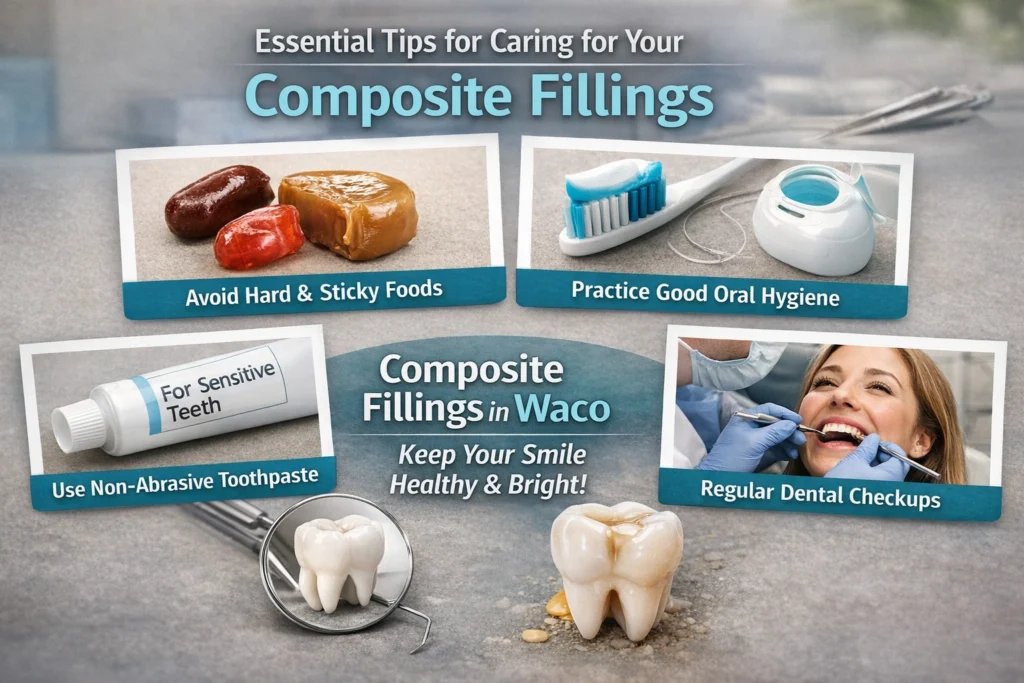
Tips for Caring for Your Composite Filling
Now that you understand the importance of proper care, let’s dive into some practical tips for maintaining your composite fillings:
- Avoid Hard and Sticky Foods
Hard or sticky foods can put unnecessary pressure on your composite fillings, leading to cracks or dislodgement. Foods like hard candies, ice, and chewy caramel can cause wear on the filling material.
Additionally, sticky foods can cling to your filling, increasing the risk of cavities. Be cautious when consuming these foods, especially during the first few days after your filling is placed.
- Practice Good Oral Hygiene
Brushing twice a day and flossing daily is essential to prevent plaque buildup around your fillings. Make sure to use a soft-bristled toothbrush and a fluoride toothpaste to clean the area around the filling. Be sure to gently brush along the edges where the filling meets the tooth, as this is where plaque and bacteria can accumulate.
Flossing is especially important for removing debris between your teeth and around the filling, where your toothbrush may not reach.
- Use Non-Abrasive Toothpaste
To preserve the integrity of your composite filling, it’s best to use non-abrasive toothpaste. Abrasive toothpaste can wear down the surface of the filling, leading to a dull appearance or surface damage.
Choose a toothpaste that’s designed for sensitive teeth or specifically marked as safe for use with composite fillings to ensure you’re taking care of your dental work.
- Regular Dental Checkups
Regular visits to your dentist are crucial for maintaining the health of your composite fillings. Your dentist will monitor the condition of your fillings and ensure they remain in good shape.
They can also check for any signs of decay, cracks, or staining that may need attention. Don’t forget to schedule your checkups at least twice a year.
- Don’t Use Your Teeth as Tools
While it may be tempting to open a bottle or package with your teeth, this can cause serious damage to your composite fillings. Using your teeth for tasks they’re not meant for can crack, chip, or dislodge fillings.
Always use the proper tools, such as scissors or a bottle opener, to avoid putting unnecessary stress on your dental work.
What to Do if You Notice Problems
If you notice any issues with your composite fillings, such as discoloration, cracks, or sensitivity, it’s essential to seek professional care as soon as possible. Minor problems, if left untreated, can escalate into more significant concerns that require more extensive treatment. For example, a small chip or crack in the filling may allow bacteria to seep in, leading to further decay and potentially requiring a replacement.
If your filling becomes loose or dislodged, contact your dentist immediately to schedule an appointment. They may be able to repair or replace the filling, restoring your tooth to its previous condition. If the filling shows signs of staining, your dentist may recommend polishing or replacing the filling, depending on the severity of the discoloration.
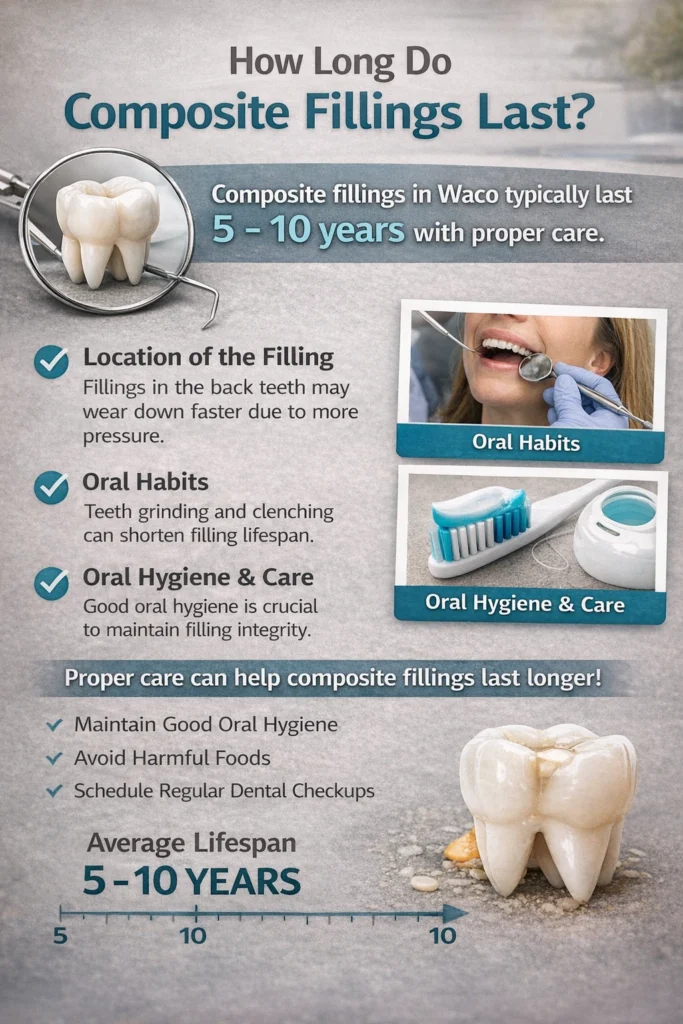
How Long Do Composite Fillings Last?
Composite fillings in Waco are designed to last for several years, with an average lifespan of 5 to 10 years. However, the longevity of your filling depends on several factors, including the location of the filling, your oral habits, and how well you care for it. Fillings placed in areas that experience more pressure, such as the back molars, may wear down more quickly than those placed in the front teeth.
Proper care can significantly extend the lifespan of your composite fillings, while neglecting your oral hygiene or habits like grinding your teeth can shorten their effectiveness. Regular dental checkups are essential for assessing the condition of your fillings and ensuring they remain intact for as long as possible.
Proper care is key to ensuring that your composite fillings last as long as possible and continue to provide you with a healthy, beautiful smile. By following the tips we’ve shared, including maintaining good oral hygiene, avoiding harmful foods, and scheduling regular dental checkups, you can protect both your fillings and your natural teeth.
At WM Dentistry of Waco, we’re committed to helping you maintain the health of your smile. If you have any concerns about your composite fillings or need to schedule a checkup, don’t hesitate to contact us. Our team is here to provide the care and guidance you need to keep your smile shining bright.
Are you ready to take the next step in caring for your composite fillings? Book your appointment today with WM Dentistry of Waco and keep your smile looking its best!
Frequently Asked Questions About Composite Fillings
How long do composite fillings last?
Composite fillings typically last 5 to 10 years, depending on factors like care, location in the mouth, and oral habits.
Can I eat after getting composite fillings?
It’s best to wait at least 2 hours before eating after your composite filling is placed to ensure it fully sets and hardens.
How can I reduce staining on my composite fillings?
Brushing regularly, using a non-abrasive toothpaste, and avoiding staining foods and drinks can help keep your composite fillings looking their best.
Is it normal to feel sensitivity after getting a composite filling?
Some sensitivity is common right after the procedure, but it should subside within a few days. If it persists, contact your dentist.
What should I do if my composite filling feels loose?
Contact your dentist as soon as possible. They can assess the situation and determine if the filling needs to be repaired or replaced.
Related Articles