

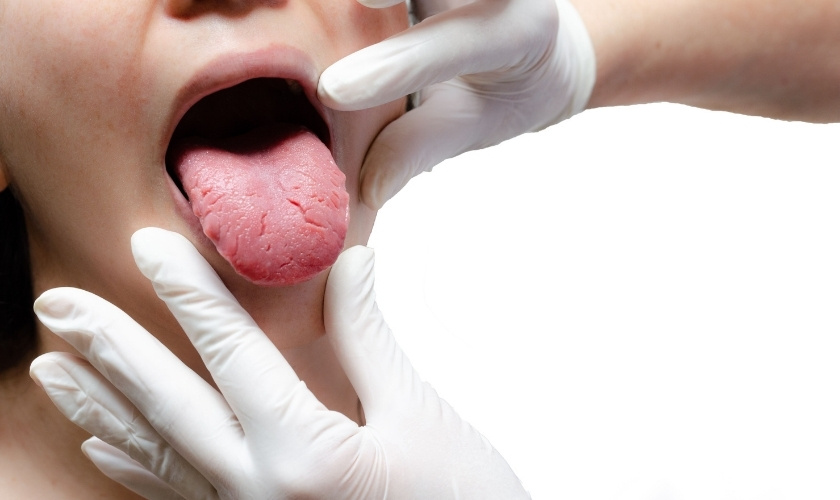
Even a healthy mouth is lined with bacteria. Normally, your daily oral hygiene routine helps prevent oral health complications. However, it is possible to develop an excess of bacteria and fungi, which can lead to additional problems. Here’s what you should know about oral thrush and what you can do to prevent it.
What is Oral Thrush?
Oral thrush is caused by a collection of the fungus Candida in your mouth. Bacteria and fungi occur naturally in your mouth, but it is important that they are not permitted to build up. Thrush can appear as white, thick scrapes on your tongue or inner cheek. It may also look like patchy, white sores.
Who does Oral Thrush affect?
Young children, infants, and the elderly are at a higher risk of developing oral thrush. If you have a weakened immune system or diabetes, it is even more important that you stay active to keep your mouth healthy and prevent issues like oral thrush. Smokers also tend to develop oral thrush more than other patients.
What can it do?
Oral thrush can lead to trouble swallowing and tasting. As it develops, it can become painful. Oral thrush can make affected areas feel like they are burning, and slight bleeding can occur if you are scraping your tongue or cheeks. Some describe the feeling as having cotton in their mouth.
oral candidiasis can spread. If you have a weakened immune system, it is possible that thrush moves into your lungs, digestive tract, and even your heart.
How can I prevent Oral Thrush?
- Rinse your mouth after meals.
- Brush teeth twice daily with fluoride toothpaste.
- Floss regularly.
- Visit your dentist for check-ups, even if you wear dentures or have no natural teeth.
- Remove and clean dentures every night before soaking them.
- Brush gums, tongue, and inside the mouth with a soft brush if you wear dentures.
- Stop smoking.
- Rinse your mouth after using corticosteroid inhalers.
- Manage underlying conditions like diabetes.
If you have diabetes, managing your blood sugar levels is crucial, as high glucose can increase the risk of thrush. Regular dental check-ups are essential for early detection and prevention.
For more tips, contact our office!
Related Articles