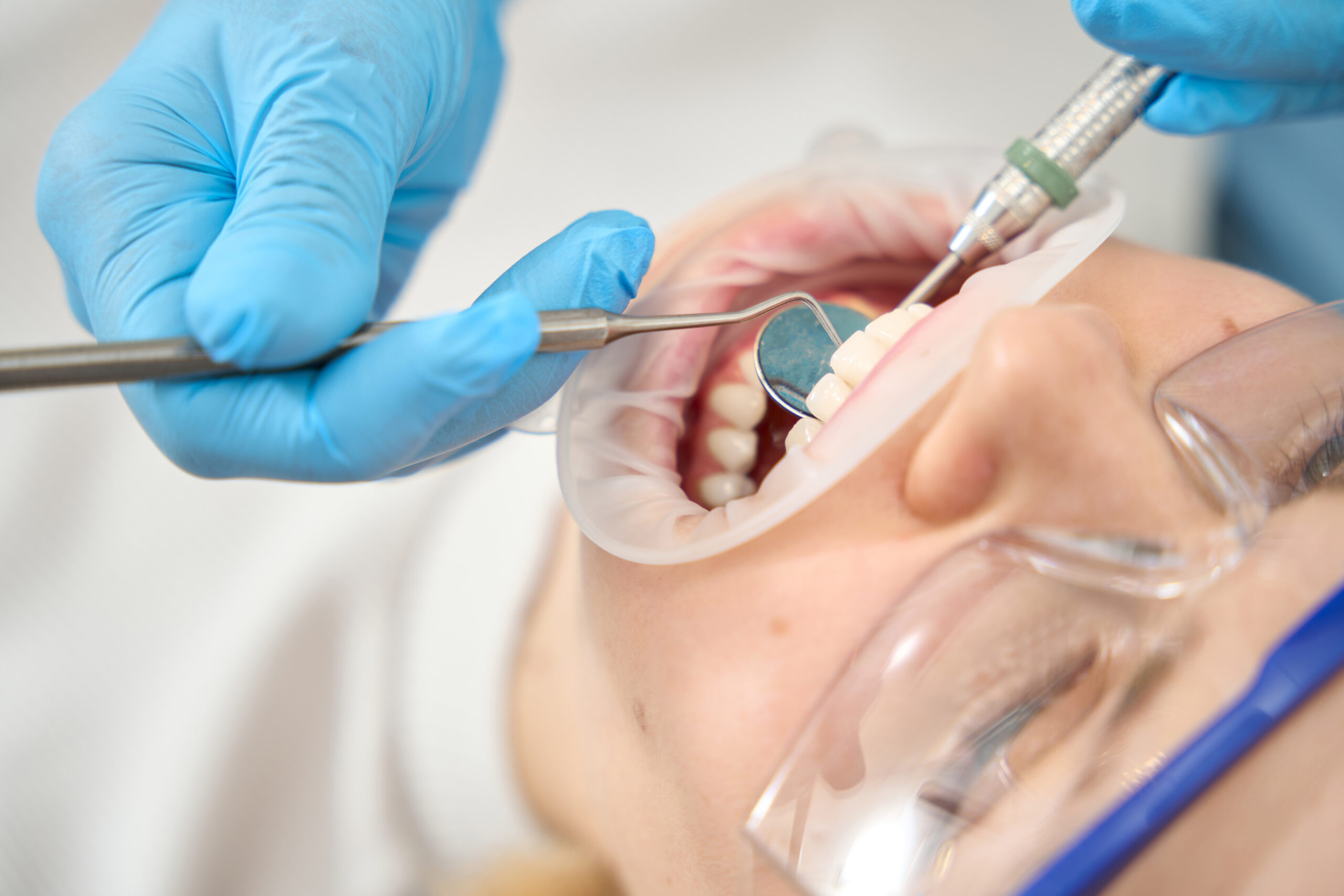

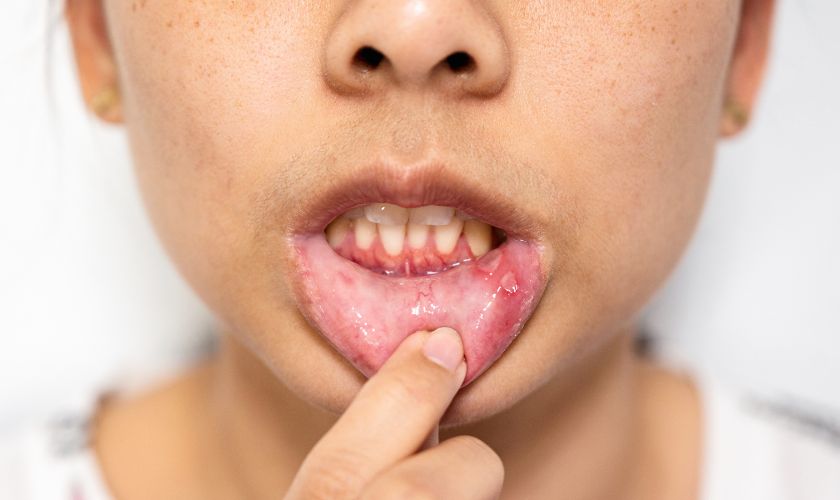
Mouth ulcers, also known as canker sores, are small, painful lesions that appear inside the mouth. Although they are not usually serious, mouth ulcers can be incredibly uncomfortable and disrupt everyday activities like eating, speaking, and drinking. Understanding the types, causes, and treatments for mouth ulcers is key to managing this common oral health issue effectively.
Types of Mouth Ulcers
There are several types of mouth ulcers, each with distinct characteristics. The most common types include:
- Minor Ulcers
These are the most common type and are typically small, round, or oval-shaped. Minor ulcers usually appear on the inside of the lips, cheeks, or under the tongue and can last for about a week or two. Although painful, they generally heal on their own. - Major Ulcers
Major ulcers are larger, deeper, and more painful than minor ulcers. They can take a few weeks to heal and may leave scars. These ulcers are less common but can be more disruptive and longer-lasting. - Herpetiform Ulcers
Herpetiform ulcers appear as clusters of tiny sores, often resembling a cold sore. They are less common but can be very painful and may take up to a month to heal. This type of ulcer can appear anywhere in the mouth.
Causes of Mouth Ulcers
Mouth ulcers can develop for a variety of reasons, and pinpointing the cause is important for effective treatment. Some common causes include:
- Injury or Trauma: Accidentally biting the inside of your cheek, brushing too hard, or dental procedures can lead to mouth ulcers.
- Stress and Hormonal Changes: Emotional stress and hormonal fluctuations, particularly in women, can contribute to the development of mouth ulcers.
- Nutritional Deficiencies: Lack of essential nutrients like vitamin B12, folic acid, and iron can make you more prone to mouth ulcers.
- Certain Foods: Spicy, acidic, or sharp foods (such as citrus fruits or tomatoes) can irritate the mouth and lead to ulcers.
- Underlying Medical Conditions: Diseases like Crohn’s disease, celiac disease, and HIV can also cause recurrent mouth ulcers.
- Medications: Certain medications, such as nonsteroidal anti-inflammatory drugs (NSAIDs) or chemotherapy, can trigger the appearance of mouth ulcers.
Foods That Cause Mouth Ulcers
Some foods can irritate the lining of the mouth, leading to the formation of ulcers. Common culprits include:
- Citrus fruits (oranges, lemons, grapefruits)
- Tomatoes
- Spicy foods
- Chocolates and coffee
- Acidic foods like pickles or vinegar
- Salty foods
If you’re prone to mouth ulcers, it might be a good idea to avoid these foods or consume them in moderation. Eating a well-balanced diet with plenty of vitamins and minerals can help prevent mouth ulcers from recurring.
Best Mouth Ulcer Treatment
When it comes to treating mouth ulcers, there are several options available. Depending on the severity, some treatments may offer quicker relief than others. Here are a few effective ways to treat mouth ulcers:
- Mouth Ulcer Gel
Over-the-counter mouth ulcer gels are among the best treatments for easing the pain and promoting healing. These gels form a protective layer over the ulcer, reducing irritation caused by food or drink. Some gels contain active ingredients like benzocaine, which numb the area and provide pain relief. - Topical Steroid Creams
For larger or more painful ulcers, topical corticosteroid creams may be recommended by a healthcare professional. These help to reduce inflammation and accelerate the healing process. - Saltwater Rinses
Rinsing your mouth with a saline solution can help reduce inflammation and keep the ulcer clean. A saltwater rinse is a natural and inexpensive option that can be used several times a day. - Prescription Medications
In more severe cases, dentist may prescribe oral medications or mouth rinses to treat persistent ulcers.
Fastest Way to Cure a Mouth Ulcer at Home
If you’re looking for a fast remedy to ease the pain and heal the ulcer quickly, consider these at-home treatments:
- Ice cubes: Sucking on an ice cube or applying it directly to the ulcer can numb the area, reducing pain and swelling.
- Aloe vera: Aloe vera gel, known for its soothing properties, can be applied directly to the ulcer to promote healing.
- Honey: Honey has antimicrobial properties and can help prevent infection. Apply a small amount directly to the ulcer.
- Chamomile tea: Chamomile has anti-inflammatory properties. Applying chamomile tea bags directly to the ulcer can provide relief.
These remedies may not work for everyone, but they are generally safe and can help reduce symptoms.
Difference Between Mouth Ulcer and Cancer
It’s important to distinguish between mouth ulcers and more serious conditions like oral cancer. While mouth ulcers are common and typically benign, oral cancer can present with similar symptoms. Here are some differences:
- Size and duration: Mouth ulcers are usually small and heal within a couple of weeks. If an ulcer lasts for more than three weeks or becomes larger, it may be a cause for concern.
- Pain: Mouth ulcers are painful, but cancerous lesions tend to be less painful in the early stages.
- Appearance: Cancerous sores may have irregular borders, and the area may appear hard or raised, while mouth ulcers are usually soft and round.
If you’re ever in doubt, it’s essential to consult an emergency dentist for a proper diagnosis.
How to Get Rid of Mouth Ulcers Fast
To speed up the healing process, keep the following tips in mind:
- Avoid irritating foods like spicy or acidic foods.
- Keep your mouth clean by brushing gently with a soft-bristled toothbrush and using mouthwash.
- Use over-the-counter gels or ointments designed for mouth ulcers.
- Apply cold compresses to reduce swelling.
In severe cases, seeking professional care from a dentist can ensure the ulcer heals without complications.
Mouth ulcers, though uncomfortable, are generally harmless and can be managed with proper treatment. From topical gels to simple home remedies, there are several ways to relieve the pain and promote healing. Remember, if ulcers persist or if you notice unusual symptoms, don’t hesitate to visit a dental office in Waco. With the right approach, you can ensure your mouth ulcers are gone as quickly as they arrived.