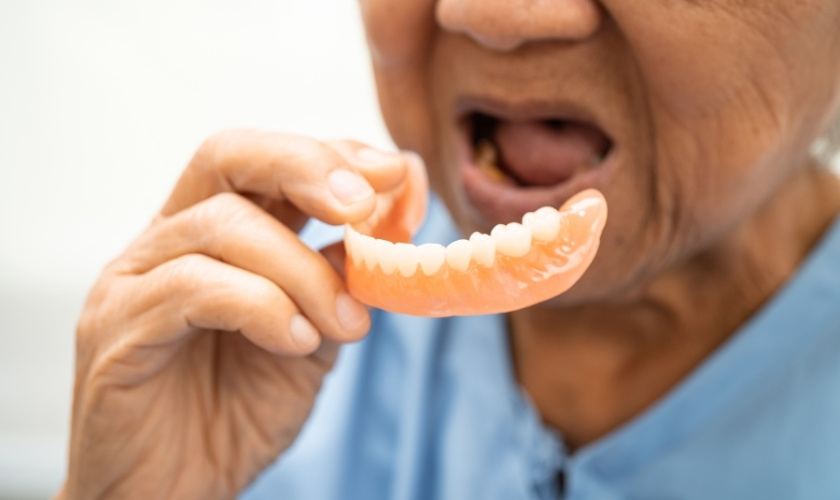


Dentures are an excellent solution for restoring your smile and improving your daily comfort. They make eating, speaking, and socializing easier, but many people don’t realize that caring for dentures is as important as caring for natural teeth.
Proper denture cleaning and storage are more than just routine—they’re essential for keeping your mouth healthy and your dentures in top shape. Whether wondering how often to soak them or which products to avoid, this guide will walk you through everything you need to know. From cleaning tips to storage dos and don’ts, here’s how to make your dentures last and keep your smile fresh.
Why Denture Care Is Important
Caring for your dentures is not just about appearance. Poor maintenance can lead to serious oral health issues, including gum irritation, infections, and bone loss. Over time, food particles and plaque can build up on dentures, creating a breeding ground for bacteria.
When dentures aren’t cleaned or stored correctly, they can easily develop an unpleasant odor, stain, or lose fit. This leads to discomfort, social embarrassment, and potentially costly repairs or replacements. Nobody wants to deal with a cracked denture because it was left to dry out overnight.
Proper denture care ensures:
- Fresh breath
- Fewer sore spots or gum pain
- Longer appliance lifespan
- Confidence in your daily interactions
So, when discussing denture cleaning and storage, we’re talking about preserving your health, comfort, and confidence.
How Often Should I Soak My Dentures?
Soaking your dentures is essential. You should soak them every night in a denture-cleaning solution or plain water. Dentures need to remain moist to keep their shape and flexibility.
Overnight soaking also helps loosen debris and kill bacteria, which makes your morning cleaning routine easier and more effective. However, be cautious not to soak them in hot water, as this can warp the material.
Tip: Always rinse your dentures thoroughly before putting them back in your mouth.
Can I Use Regular Toothpaste to Clean My Dentures?
No, regular toothpaste is too abrasive for dentures. Most brands contain ingredients like baking soda or silica, which can scratch the surface of your denture. These microscopic scratches can harbor bacteria and make staining worse.
Instead, opt for a non-abrasive denture cleanser or a mild hand soap. Always use a soft-bristled brush designed specifically for dentures.
What Do I Use to Clean My Dentures?
Choosing the right products for denture cleaning is essential if you want to protect your oral health and extend the life of your dentures. However, it’s important to understand that not all cleaning products, even if they seem harmless, are safe for dentures.
Avoid using regular toothpaste, whitening agents, or household cleaners like bleach or vinegar. These can be too abrasive and may wear down or damage the denture material over time. Dentures are made from materials that require gentle care, so treating them like natural teeth can do more harm than good.
Instead, opt for a non-abrasive denture cleanser that’s specifically designed for this purpose. Here are some safe alternatives if you don’t have a denture cleanser on hand:
- Mild, unscented dish soap
- A soft brush (not your regular toothbrush)
- Lukewarm water (never hot, as it can warp your dentures)
Since dentures don’t have spaces like natural teeth, flossing isn’t necessary, but brushing and soaking daily remain essential.
How Do I Prevent Denture-Related Bad Breath?
Bad breath often results from bacterial buildup. Here are the steps to keep it under control:
- Clean your dentures thoroughly at least once a day.
- Rinse after every meal.
- Clean your tongue, cheeks, and gums.
- Soak dentures overnight to disinfect them.
Drinking daily water helps maintain saliva flow and washes away food debris.
How to Store Dentures
When not wearing your dentures, store them in a clean container filled with water or a denture-soaking solution. Keep the container covered to prevent contamination, and never let your dentures dry out.
Ideal storage environment:
- Cool
- Dry (for the container exterior)
- Away from children and pets
While handling them, a soft towel in the sink can prevent breakage if they slip.
How Often Should I Visit My Denturist for Adjustments?
Even well-maintained dentures need occasional adjustments. You should visit your denturist or dentist for a checkup every 6 to 12 months.
Schedule a visit sooner if you notice discomfort, clicking, or shifting. Adjustments can prevent sore spots and keep your dentures fitting comfortably.
Do I Still Need to Brush If I Wear Dentures?
Yes. While your natural teeth may be gone, your gums, tongue, and cheeks still need attention. Brush these areas gently every day to:
- Stimulate blood flow
- Remove bacteria
- Keep your mouth fresh
This also helps prevent infections like oral thrush.
Dos and Don’ts of Denture Storage
Dos:
- Store dentures in water or in a denture solution overnight.
- Do rinse them before placing them back in your mouth.
- Do clean your case regularly.
Don’ts:
- Don’t use boiling water.
- Don’t leave them out in the open air.
- Don’t use bleach or harsh chemicals.
What Is the Best Denture Cleaner?
The best denture cleaner depends on your lifestyle and needs. Look for products that:
- Are ADA-approved
- Kill 99.9% of bacteria
- Contain no harsh abrasives
- Are safe for daily use
Popular options include tablets that dissolve in water for overnight soaking.
Can I Soak My Dentures in Mouthwash?
While mouthwash can kill germs and freshen breath, it’s not designed for soaking dentures. Some mouthwashes contain alcohol, which can dry out or damage the material.
If you want that minty freshness, choose an alcohol-free mouthwash and only use it briefly.
How Do You Clean Badly Stained Dentures?
Stains can be stubborn, but not impossible to tackle. Start by soaking in a commercial denture cleanser. For deep stains, ask your dentist to perform a professional cleaning.
Avoid home remedies involving bleach or hydrogen peroxide without consulting your provider. These can do more harm than good.
Do You Soak Your Dentures in Peroxide?
Hydrogen peroxide can whiten dentures, but it should be used cautiously. Overuse can damage the pink acrylic and weaken the structure.
If you do use peroxide:
- Dilute it with water (1:1 ratio)
- Limit soaking time to 15-30 minutes
- Rinse thoroughly before use
Again, check with your dental professional before trying this at home.
How Long Do Dentures Typically Last?
With proper care, dentures can last 5 to 10 years. However, your mouth changes over time. Bone loss, weight changes, or gum reshaping can affect fit.
Watch for signs that it’s time for new dentures:
- Looseness or shifting
- Cracks or chips
- Persistent mouth sores
Routine visits and good denture cleaning habits will keep your appliance functional longer.
Final Thoughts: Making Denture Care a Daily Habit
Proper denture storage and cleaning aren’t just chores—they’re investments in your health, confidence, and daily comfort. Think of your dentures like your eyeglasses: essentials that deserve daily attention and careful handling.
Whether you soak your dentures in a cleaner before bed or brush your gums in the morning, each habit contributes to better oral hygiene. The best denture cleaner is the one you use consistently and safely. Avoid harsh chemicals, follow best practices, and store your dentures correctly every night.
Don’t hesitate to call your dentist if you’re unsure about a product or notice something unusual with your dentures. It’s always better to be proactive than to deal with discomfort or avoidable repairs.
Make denture care part of your routine; your smile will thank you for years.