

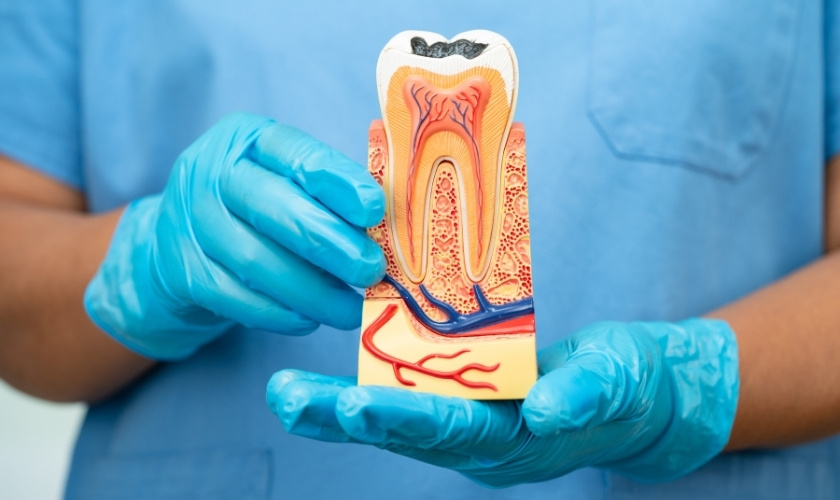
Good dental hygiene is essential for maintaining overall oral health. It helps prevent a range of dental problems, from cavities to gum disease. However, despite practicing good hygiene, some individuals may still face the need for root canal therapy. This can be a result of factors like deep cavities, cracks, or trauma. Understanding how dental habits can influence the need for root canal procedures is important for everyone. By taking proactive steps, you can reduce your risk of needing root canal therapy and protect your smile.
Root canal needs often arise when bacteria reach the pulp of a tooth, leading to infection or inflammation. This can occur even with regular brushing and flossing, especially if dental hygiene is inconsistent or improper. In this blog, we will explore how specific dental hygiene practices can affect your chances of requiring root canal therapy. Additionally, we’ll provide tips to help you maintain a healthy mouth and avoid unnecessary dental procedures.
How does Poor Dental Hygiene Contribute to Root Canal Needs?
A lack of proper oral care can lead to the buildup of plaque and bacteria. Over time, this can result in several dental issues, including tooth decay and gum disease. These problems can increase the likelihood of needing root canal treatment. Below are the key ways poor dental hygiene can contribute to root canal needs:
- Tooth Decay: When plaque is not removed, it hardens into tartar, which can lead to cavities. If left untreated, cavities can reach the inner pulp of the tooth, requiring a root canal procedure.
- Gum Disease: Gum disease weakens the supporting structures of your teeth, increasing the risk of infection. If bacteria from gum disease enter the pulp, it can cause severe tooth damage and pain, necessitating root canal therapy in Waco.
- Plaque Build-Up: Plaque contains bacteria that can attack tooth enamel. In cases of neglect, plaque can create a breeding ground for harmful bacteria, which eventually leads to the need for root canal treatment.
The Role of Regular Brushing and Flossing
Routine brushing and flossing are the foundation of good dental hygiene. These practices help remove food particles and bacteria that can cause decay and gum disease. Staying consistent with these habits can reduce the chances of needing root canal therapy.
- Brushing: Brush your teeth twice a day with fluoride toothpaste to remove plaque and prevent cavities. Use a soft-bristled toothbrush to avoid damaging your gums.
- Flossing: Flossing removes debris between teeth and along the gum line, preventing plaque buildup in hard-to-reach areas. Make it a daily habit for optimal oral health.
By maintaining proper brushing and flossing techniques, you can prevent the accumulation of harmful bacteria, thus lowering the risk of infection and the need for root canal therapy.
How Does Diet Influence Root Canal Needs?
Diet plays a crucial role in the health of your teeth. A poor diet, rich in sugary foods and acidic drinks, can contribute to the deterioration of your tooth enamel and increase the likelihood of needing root canal treatment. Here’s how diet affects dental health:
- Sugar and Cavities: Sugary foods fuel harmful bacteria that contribute to plaque buildup. This can lead to cavities, which, if left untreated, may require root canal therapy.
- Acidic Foods: Acidic foods and drinks can wear away enamel, leaving teeth more vulnerable to decay and infection. Limiting these types of foods helps protect teeth and reduce root canal needs.
Eating a balanced diet full of calcium-rich foods, like dairy products, leafy greens, and nuts, can help strengthen your teeth and prevent dental issues.
The Importance of Regular Dental Checkups
Even with proper dental hygiene practices, issues can still develop beneath the surface. Regular dental checkups help detect problems early, including infections that may require root canal therapy. Dentists recommend seeing a dentist at least twice a year to ensure your teeth remain healthy.
- Early Detection: Routine checkups allow your dentist to identify cavities, gum disease, or other issues before they progress to the point of requiring more invasive procedures like root canal therapy.
- Professional Cleaning: Dental cleanings help remove tartar buildup that brushing and flossing alone can’t address, ensuring your teeth stay in top condition.
By staying on top of regular checkups, you can prevent complications that might lead to root canal needs.
Protecting Your Teeth from Trauma
Dental trauma, such as a tooth injury from an accident, can also lead to root canal therapy. Even if you maintain excellent oral hygiene, accidents happen. Here’s how you can protect your teeth from injury:
- Wear Mouthguards: If you participate in contact sports, wearing a mouthguard can help protect your teeth from trauma.
- Avoid Bad Habits: Avoid using your teeth to open bottles or packages, as this can cause cracks or chips that may require root canal treatment.
Your dental hygiene practices directly influence your chances of needing root canal therapy in Waco. By following a routine of regular brushing, flossing, and visiting your dentist in Waco for checkups, you can minimize the risk of infections that could lead to this procedure. A healthy diet and taking precautions to protect your teeth from trauma further contribute to maintaining your smile. Remember, the better care you take of your teeth today, the fewer root canal needs you’ll have in the future.
Related Articles